
Pelvic Floor Physiotherapy in Lahore
Your pelvic floor works quietly in the background of everything you do — walking, laughing, lifting, sneezing, even just standing up from a chair. Most women never think about it until something feels off: a leak that catches you off guard, a heaviness that wasn’t there before, or pain that makes sitting through the day harder than it should be.
Pelvic floor physiotherapy is the process of understanding what’s actually happening in these muscles and rebuilding strength, coordination, and control — so your body can do what it’s meant to do without holding you back.
At her Lahore-based clinic, Dr. Ammara Munawar PT works with women through every version of this: postpartum recovery, chronic leakage, pelvic organ prolapse, and pelvic floor dysfunction that’s gone undiagnosed for years. Sessions are private, unhurried, and built entirely around what your body needs — not a generic checklist.
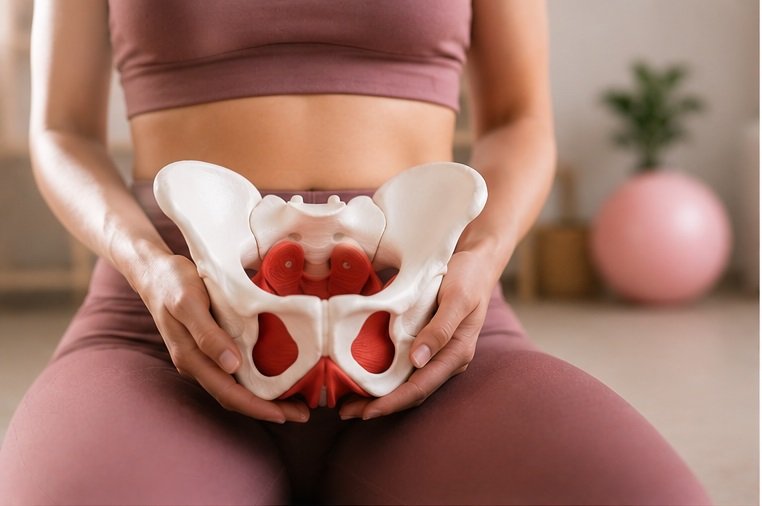
What Is Pelvic Floor Physiotherapy?
Pelvic floor physiotherapy is a specialized branch of physiotherapy focused on the muscles that support your bladder, bowel, and reproductive organs. These muscles can become weak, tight, or uncoordinated — and surprisingly, both weakness and tightness can cause the same frustrating symptoms: leakage, pain, or a sense that something isn’t working the way it used to.
Treatment typically combines hands-on assessment, targeted exercises, breathing and posture work, and — most importantly — a clear explanation of why your body is doing what it’s doing. Understanding your own body is often the first step toward actually feeling better in it.
Who Is This For?
You don’t need a dramatic symptom to benefit from pelvic floor physiotherapy. Women come to this treatment for reasons like:
- Leaking urine when coughing, sneezing, laughing, or exercising
- A feeling of heaviness, bulging, or pressure in the pelvic area
- Pelvic or lower back pain that hasn't responded to rest
- Difficulty fully emptying the bladder or bowel
- Pain during intimacy
- Ongoing discomfort months or even years after childbirth
- A general sense that "something isn't right," even without a clear diagnosis
If any of this sounds familiar, you’re not alone — and you’re not overreacting. These are common, treatable issues, not something you have to quietly live with.
Conditions We Treat
Urinary Incontinence
Leakage during everyday movement — coughing, sneezing, jumping, or laughing — is one of the most common reasons women seek pelvic floor physiotherapy, and one of the most treatable.
Pelvic Floor Weakness
Often linked to pregnancy, childbirth, or ageing, weakness in these muscles can affect bladder control, core stability, and overall pelvic support.
Pelvic Organ Prolapse
A feeling of heaviness, bulging, or pressure caused by weakened support for the bladder, uterus, or bowel. Physiotherapy can meaningfully improve symptoms, often alongside other care.
Pelvic Floor Dysfunction
Sometimes the issue isn’t weakness but tightness or poor coordination — muscles that don’t relax or engage properly, which can cause pain as much as leakage.
Bladder Control Issues
Frequent urges, difficulty holding urine, or a bladder that seems to have a mind of its own — often connected to pelvic floor coordination rather than the bladder itself.
What to Expect in Your First Session
Starting pelvic floor physiotherapy can feel intimidating if you don’t know what it involves — so here’s exactly what to expect.
1. A Private, Judgment-Free Conversation
Your first visit starts with a detailed discussion about your symptoms, history, and goals. Nothing is rushed, and nothing is considered “too embarrassing” to bring up — this is a space built specifically for these conversations.
2. A Thorough Assessment
Dr. Ammara evaluates your posture, breathing, core, and pelvic floor function to understand what’s actually contributing to your symptoms, not just treat them on the surface.
3. A Treatment Plan Built Around You
Based on your assessment, you’ll receive a personalized plan — which may include manual therapy, targeted exercises, breathing techniques, and posture correction — along with a realistic sense of what progress will look like.
4. Ongoing, Adjusted Support
Your body changes as you progress, and so does your plan. Sessions are adjusted along the way, with clear guidance so you always understand the “why” behind what you’re doing.
You Don't Have to Live With This
So many women treat pelvic floor symptoms as something to just manage — a pantyliner for the leakage, avoiding the trampoline with their kids, sitting out on certain workouts. These adjustments become so normal that it’s easy to forget they’re not actually necessary.
Pelvic floor physiotherapy exists because these symptoms are common, but common doesn’t mean permanent — and it doesn’t mean you have to accept them as the new normal.
Book Your Pelvic Floor Physiotherapy Consultation in Lahore
If you’re dealing with leakage, pelvic pain, prolapse, or simply want to understand your body better, Dr. Ammara Munawar PT offers a confidential, supportive space to start figuring it out.